
Buying a brand-new home in McKinney is exciting, but the pre-closing walkthrough can feel overwhelming. You want to move in with confidence, not questions. With a clear checklist and a calm plan, you can catch issues early, protect your warranty, and start strong in your new place. Below is a practical, room-by-room guide tailored to McKinney and Collin County. Let’s dive in.
How to prep for your McKinney walkthrough
Bring simple tools and block enough time so you can focus.
- What to bring: flashlight, phone or camera, notebook or tablet, small receptacle tester, ladder for attic access if allowed, and your checklist.
- Time: plan for 1 to 2 hours for an average-size home, longer if you test every system.
- Order: start outside, move to major systems, then go room by room. Finish in the attic and mechanical areas.
Start with safety and occupancy
Handle these first so you know the home is ready for move-in.
- Confirm the final inspection status or Certificate of Occupancy with the builder.
- Verify utilities are on and meters are active for water, gas, and electric.
- Locate and label shutoffs: main water, gas shutoff, and the electrical main.
- Test smoke and carbon monoxide detectors using the test buttons.
- Test garage doors for auto-reverse safety and opener function.
- Check stairs and handrails for secure installations and a code-like appearance.
Test major systems
HVAC: cooling and heating
North Texas summers are hot and humid, so cooling performance matters.
- Run the system in cooling and heating modes for 10 to 15 minutes each if the weather allows.
- Confirm steady airflow from every vent and that the thermostat responds.
- Check filter access and a clean filter is installed. Note the model numbers for service.
- Look at the condensate drain for proper drainage. Listen for unusual noises.
Electrical: lights, outlets, and panel
- Turn every light and switch on and off. Confirm the correct fixtures are installed.
- Test all outlets with a receptacle tester. Use test and reset on GFCI outlets in kitchens, baths, and exterior areas.
- Check the electrical panel label for accurate circuit assignments. Test AFCI breakers if present.
- Verify exterior lighting and any security rough-ins or devices.
Plumbing: fixtures and hot water
- Run hot and cold water at each sink, tub, and shower. Watch for pressure and temperature changes.
- Flush every toilet. Check for wobble, proper fill, and that it stops running.
- Look under sinks for leaks while water runs. Test the disposer and start a dishwasher cycle if possible.
- Inspect the water heater. Note the temperature setting, valves, and relief drain line. Confirm gas or electric type.
- If installed, test irrigation zones and check for damaged sprinkler heads.
Appliances and built-ins
- Test the oven on bake, stovetop burners, microwave, dishwasher, and disposal.
- Check washer and dryer hookups. If possible, run a brief cycle test.
- Confirm model numbers, clean installation, and that manuals and warranty cards are present.
Inspect exterior and structure
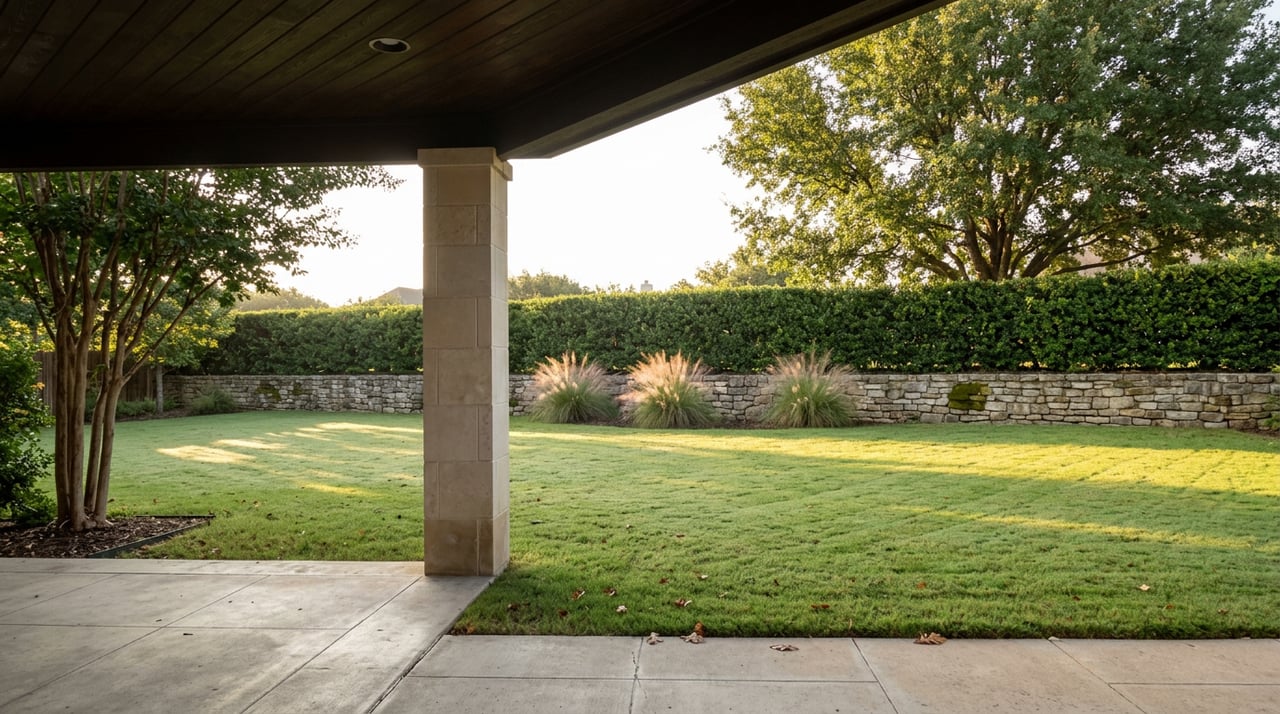
Grading, drainage, and foundation protection
In Collin County, slab foundations are common, and drainage is crucial.
- Walk the perimeter. The soil should slope away from the foundation.
- Note low or flat spots that could hold water near the slab.
- Check downspouts and splash blocks. Confirm water will move away from the house.
Siding, brick, and caulking
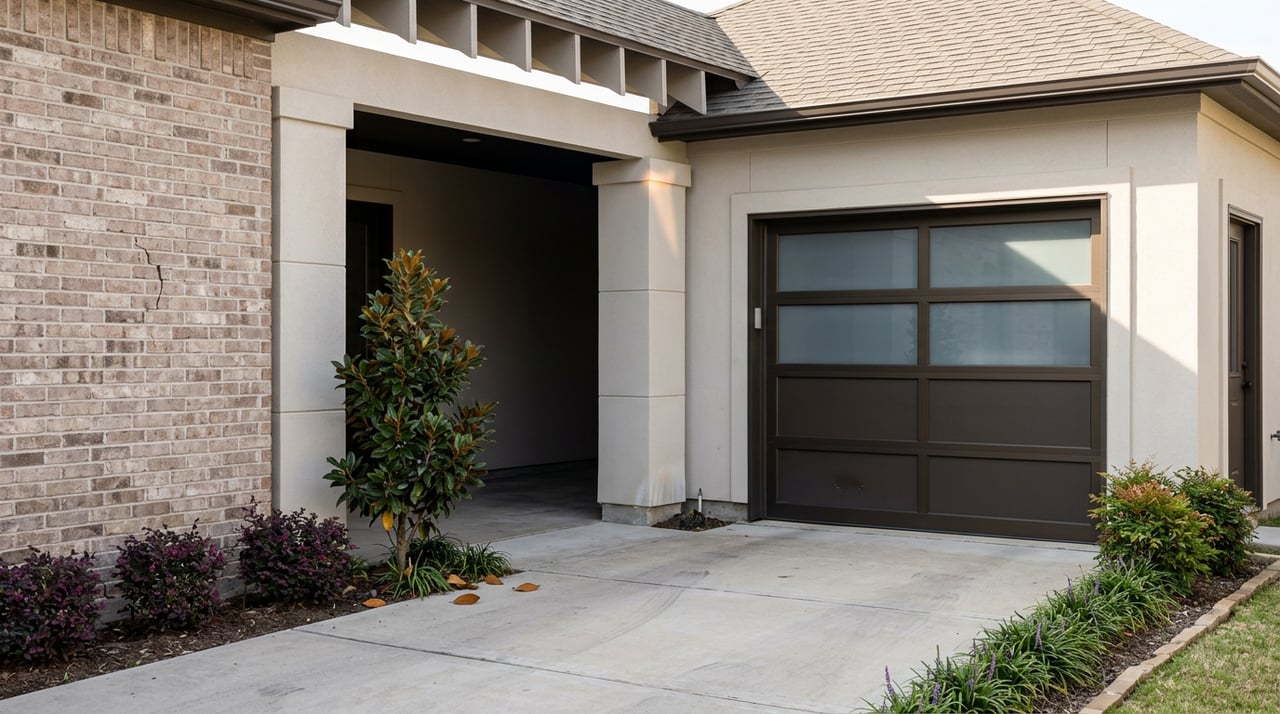
- Scan siding, brick, and stone for finish quality and complete mortar joints.
- Check caulking at windows, doors, and exterior penetrations for gaps.
Roof, gutters, and trim
- From the ground, look for loose shingles or flashing. Confirm gutters are attached and pitched to drains.
- Inspect soffits, fascia, and vent screens for secure installation.
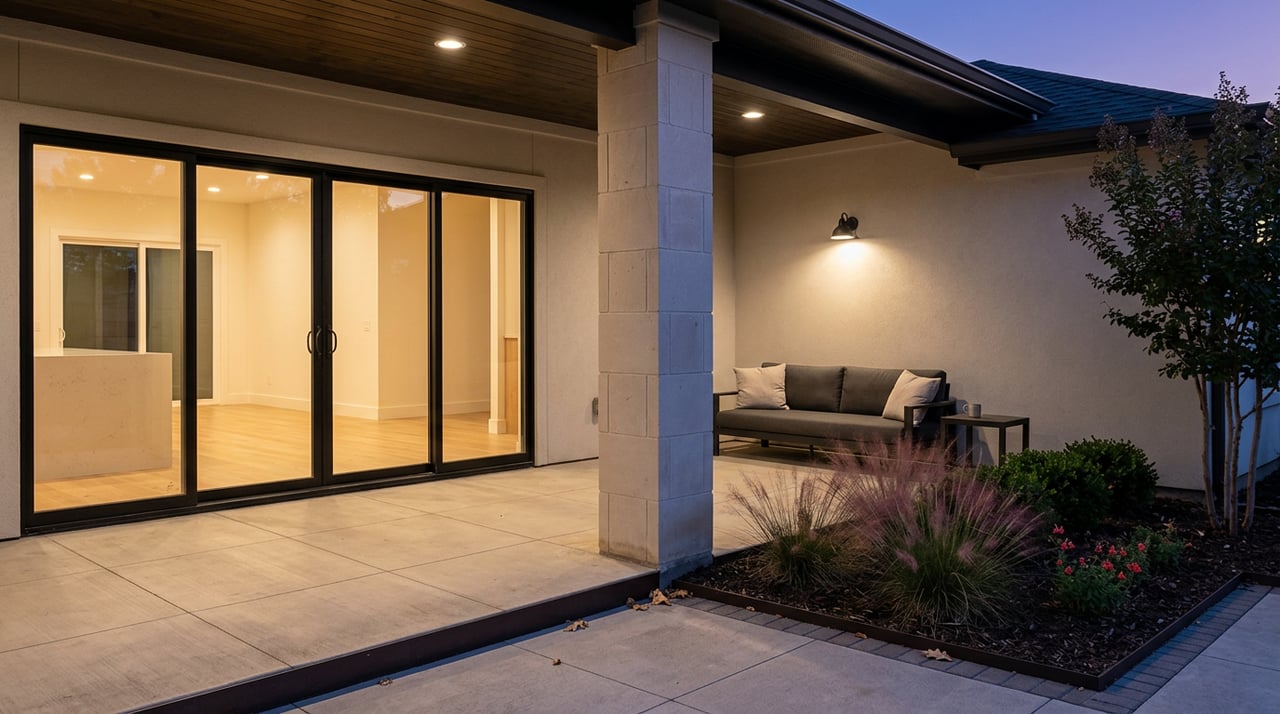
Driveways, walks, patios, and porches
- Look for trip hazards, cracking, or rough finishes.
- Check railings and stair safety on porches and patios.
Windows and exterior doors
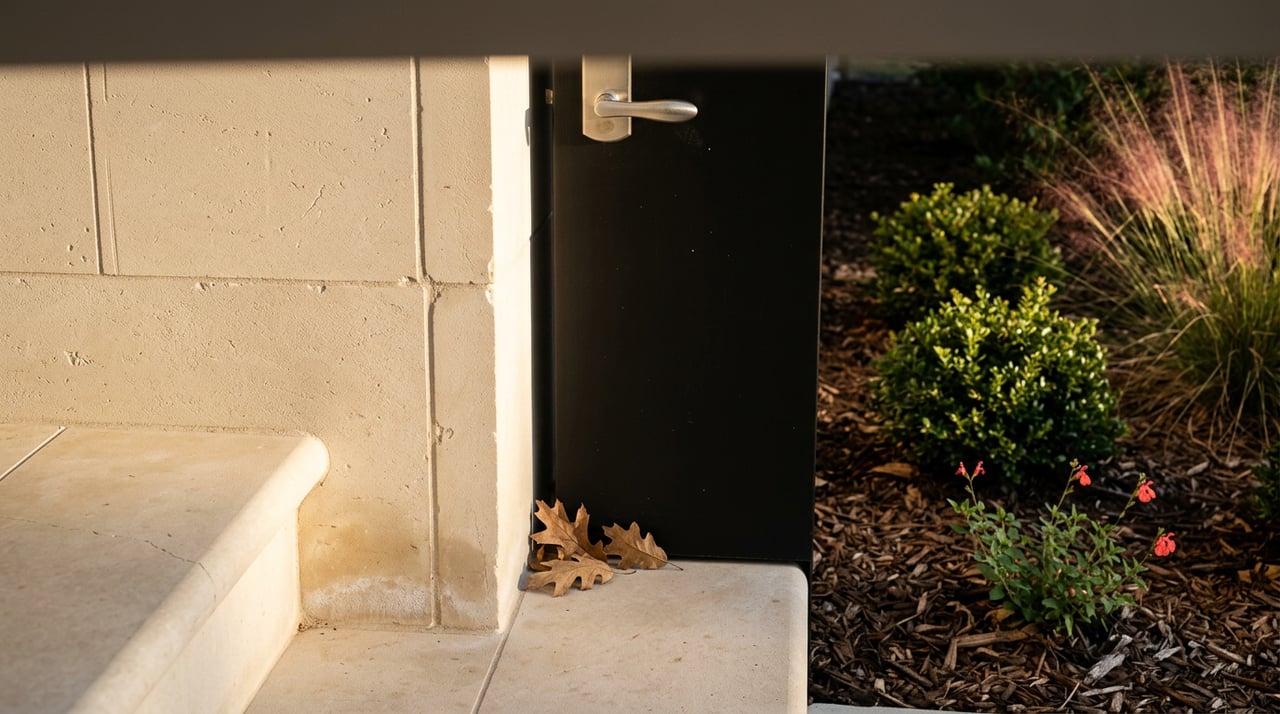
- Open and close each window and door. Test locks and latches.
- Confirm weatherstripping, weep holes, and sealants are in place.
- Verify screens are installed and undamaged.
Check attic and mechanical areas
- Inspect attic insulation depth and coverage. Look for gaps and visible light at joints.
- Check venting and screens. Confirm safe, stable attic access and lighting.
- Examine ductwork insulation and connections for obvious leaks or detached sections.
- If there is a crawlspace, look for a vapor barrier, proper venting, and any signs of moisture.
Room-by-room interior check
Walls, ceilings, and paint
- Look for nail pops, paint drips, roller marks, and consistent coverage.
- Note any texture differences between rooms and ceilings.
Floors and stairs
- Check tile grout lines, wood floor squeaks, and transitions between rooms.
- Look for gaps in laminate or engineered floors and any scratches.
Cabinets, counters, and hardware
- Open and close all doors and drawers. Check alignment and soft-close function.
- Inspect countertop edges and caulking at backsplashes.
- Verify hardware style and finish match your selections.
Caulking and grout
- Check bathtubs, showers, and counters for complete, even caulking.
- Look for hairline grout cracks and missing sealant at corners.
Watch for water and moisture
Water issues can show up fast or slowly. Be thorough.
- After running fixtures, revisit under-sink areas for new drips.
- Check around tubs and showers, toilets, and exterior doors for dampness.
- Look at ceiling corners and window sills after HVAC runs to spot condensation.
Document issues and create a punch list
Clear documentation speeds up repairs and protects your rights.
- Prioritize by category: safety or occupancy, major functional, then cosmetic.
- For each item, note the location and a short description. Add photos or short videos with a date and time.
- Submit the list to the builder’s warranty or delivery contact and through any required portal.
- Keep copies of everything, including emails and messages.
- Ask for an estimated completion timeline and whether a re-inspection is needed.
Punch-list etiquette
- Be factual and concise. Focus on the impact and where to find the issue.
- Be reasonable on small cosmetic items that can be scheduled soon after closing.
- Do not perform permanent repairs without talking to the builder, since it may affect your warranty.
Understand builder warranties in Texas
Many builders use a common framework, often described as 1-2-10. The idea is one year for workmanship and finishes, two years for mechanical systems, and ten years for major structural components. This is a typical structure, not a law. Your exact coverage, definitions, and deadlines come from your contract and the builder’s warranty packet. Read those documents closely and follow the notice procedures and timelines they require.
What to collect at closing
- Warranty packet and instructions for submitting service requests.
- Appliance manuals and warranty cards.
- Model and serial numbers for HVAC, water heater, and appliances.
- Any available final plans or as-built documents.
- Contact info for the builder’s warranty coordinator and any portal logins.
Consider third-party inspections
Even with a builder walkthrough, an independent new-construction inspector can add peace of mind. A specialized inspector may spot items that are easy to miss and will provide a prioritized report. If you suspect a significant issue, you can seek specialists, such as HVAC, roofing, plumbing, or a structural engineer. Builders usually reserve the right to make warranty repairs, so coordinate reports and next steps with the builder and follow your contract.
After the walkthrough: your follow-up plan
- Right away: finalize your punch list with photos and videos, then submit it per the builder’s process.
- Track responses and scheduling. After each repair, take new photos for your records.
- Plan an 11 to 12 month warranty walkthrough to catch seasonal and settling issues.
- Keep all records together, including maintenance logs and warranty submissions.
Seasonal tips for North Texas homes
HVAC testing: if it is warm, focus on cooling performance and airflow. If it is cool, confirm heating response and consider a separate cooling test when temperatures rise.
Drainage: after a rain, look for standing water near the foundation or low spots in the yard.
Exterior sealants: check around windows and doors for gaps that could allow water intrusion.
A well-run walkthrough will help you move into your McKinney home with confidence. If you want a local partner to coordinate your builder steps and keep your new-home purchase on track, reach out to Lori Seale. You will get calm guidance, clear checklists, and steady follow-through from contract to close and beyond.
FAQs
What is a final walkthrough on a new build in McKinney?
- It is a pre-closing review where you test systems, inspect finishes, and document a punch list so the builder can address items under the warranty and contract.
When should I schedule my new-build walkthrough?
- Schedule it close to closing once utilities are active and the builder confirms final inspections, which helps you test systems under normal conditions.
Do I need an independent inspector for new construction?
- It is a common best practice since new-construction specialists can find items others miss and provide a prioritized report to guide your punch list.
What belongs on a punch list for a new home?
- Include safety items, major functional defects, and cosmetic issues with clear locations, short descriptions, and date-stamped photos or videos.
How do builder warranties usually work in Texas?
- Many follow a 1-2-10 structure by convention, but coverage and deadlines vary, so read your builder warranty and follow required notice procedures.
What if repairs are still open on closing day?
- Ask your agent about options like scheduling commitments or other negotiated solutions, then document everything and track the builder’s repair timeline.