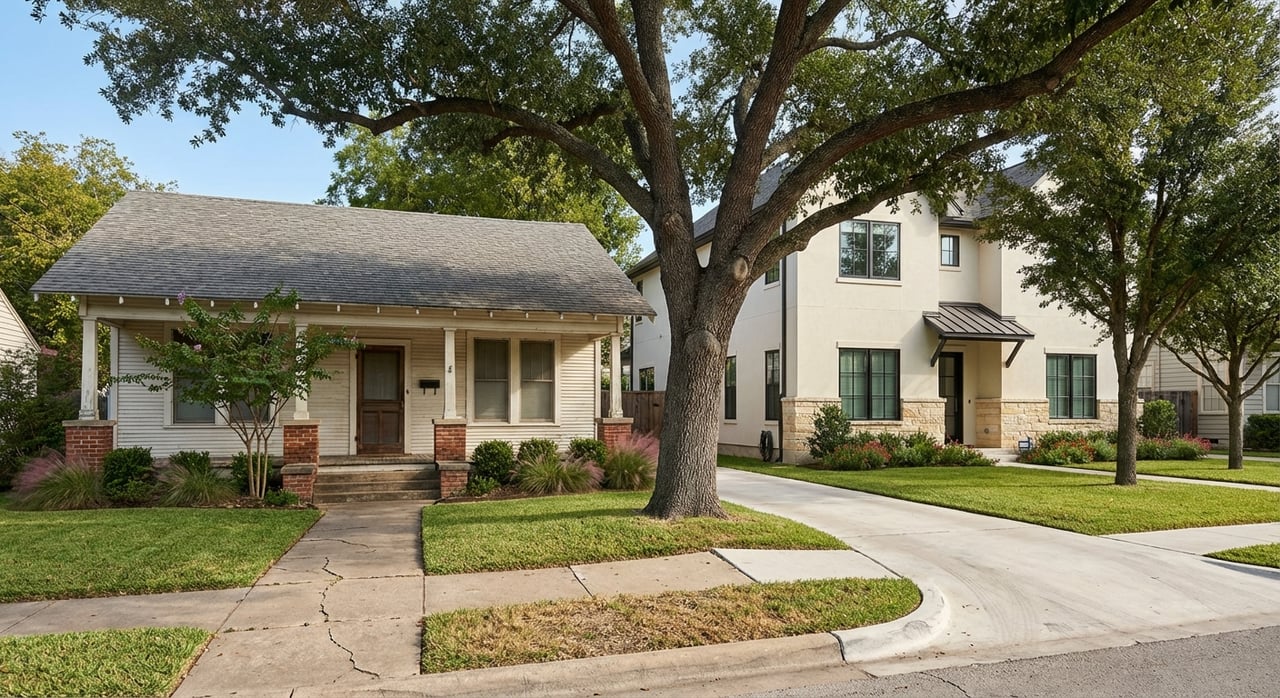
Torn between a front porch near the square and a brand‑new kitchen with a three‑car garage? In McKinney, you can pick the lifestyle that fits you best. This guide breaks down the real tradeoffs between historic district living and new‑build communities so you can choose with confidence. You’ll learn about costs, maintenance, rules, amenities, and questions to ask before you buy. Let’s dive in.
Historic downtown living
McKinney’s core centers on Historic Downtown, a cultural hub with local shops, events, and museums that make it a true destination. You can stroll to restaurants, seasonal festivals, and venues like the McKinney Performing Arts Center. The city highlights this area as a cultural anchor for residents and visitors alike. Explore the area’s flavor on the city’s visitor page for Historic Downtown McKinney.
Homes and layout
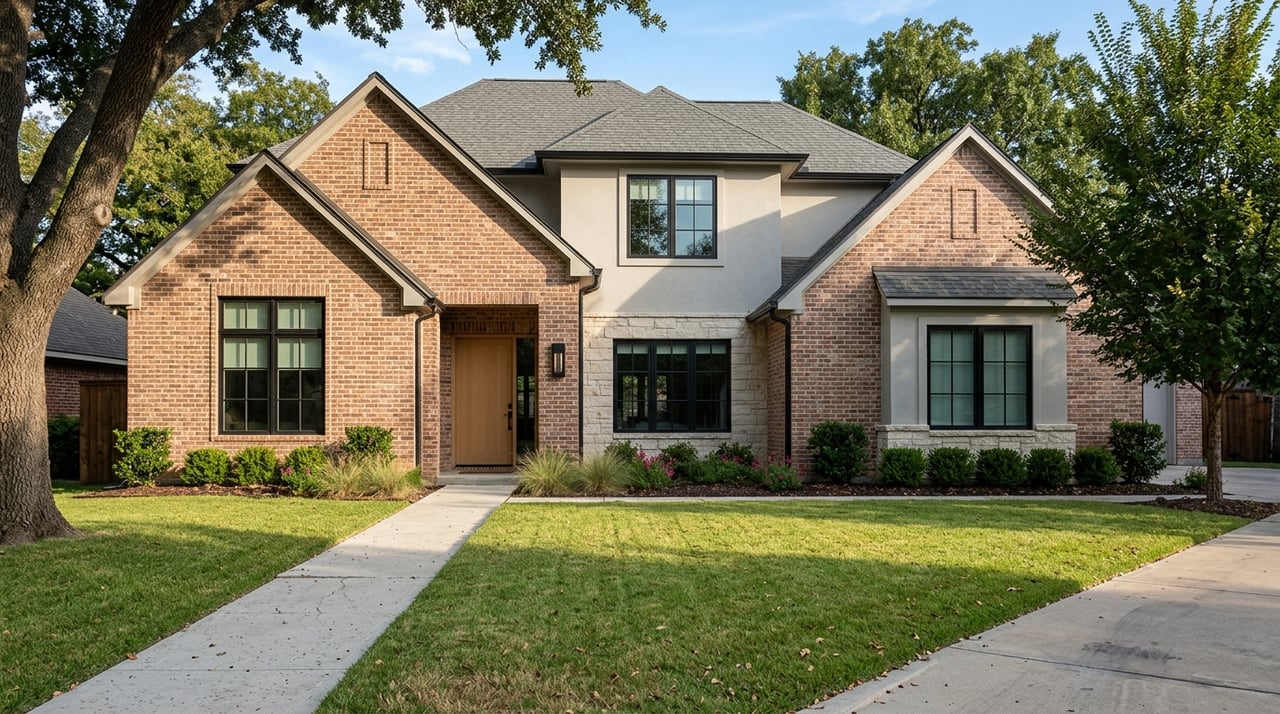
Many central McKinney homes date from the late 19th and early 20th centuries. You’ll often see Victorian and Craftsman influences, original trim, and mature trees. Floorplans tend to be more compartmentalized than new builds, with cozier rooms, smaller modern garages, and unique architectural details that add charm.
Maintenance and rules
Older homes can need more frequent or specialized care. Common items include electrical and plumbing updates, foundation work, roofing, and repair of historic windows and porches. Preservation experts recommend a thorough condition assessment and planned maintenance approach rather than quick fixes. For a primer on planning and care, see this overview of preservation best practices.
Budgeting also looks different. Many buyers plan materially more for purchase, repairs, and ongoing maintenance than a comparable new home, depending on condition. Insurance may also cost more, or require special replacement‑cost coverage. Learn what to expect with this look at the higher costs of owning a historic home.
Rules can vary. A listing on the National Register recognizes significance, but local rules determine what you can change. Some local historic districts require review for exterior alterations. Before you assume you can add a dormer or replace windows, contact the city for guidance on the Cultural District and preservation programs and review tips from the National Trust on researching a historic house.
Lifestyle fit
Choose historic McKinney if you value walkability, character, and a strong community feel tied to downtown events, arts, and dining. Living near the square makes it easy to enjoy small‑town charm within a growing North Dallas corridor.
New builds and master‑planned living
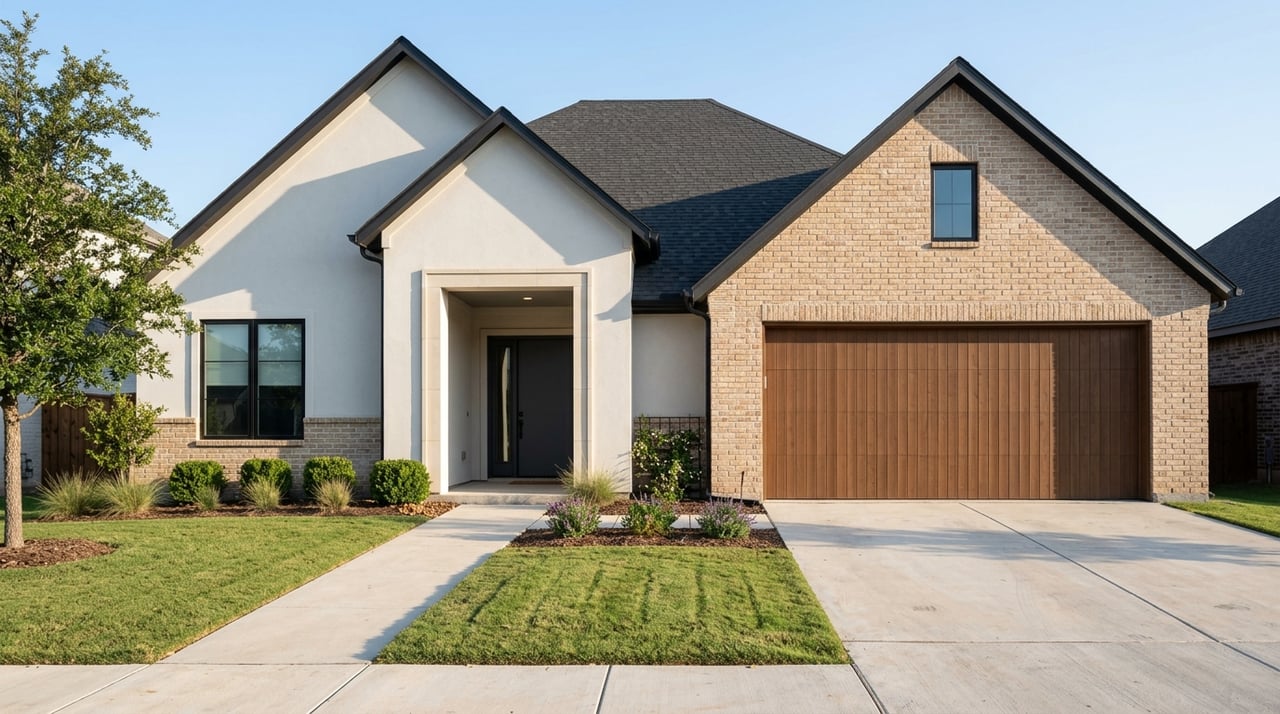
Newer communities across McKinney offer modern layouts, energy‑efficient systems, and planned amenities. Well‑known areas include Craig Ranch, Stonebridge Ranch, Trinity Falls, and Tucker Hill. Ongoing private investment, such as the planned JW Marriott at Craig Ranch, adds visibility and amenities to the area, as reported by the Houston Chronicle’s update on the JW Marriott resort project.
Layouts and amenities
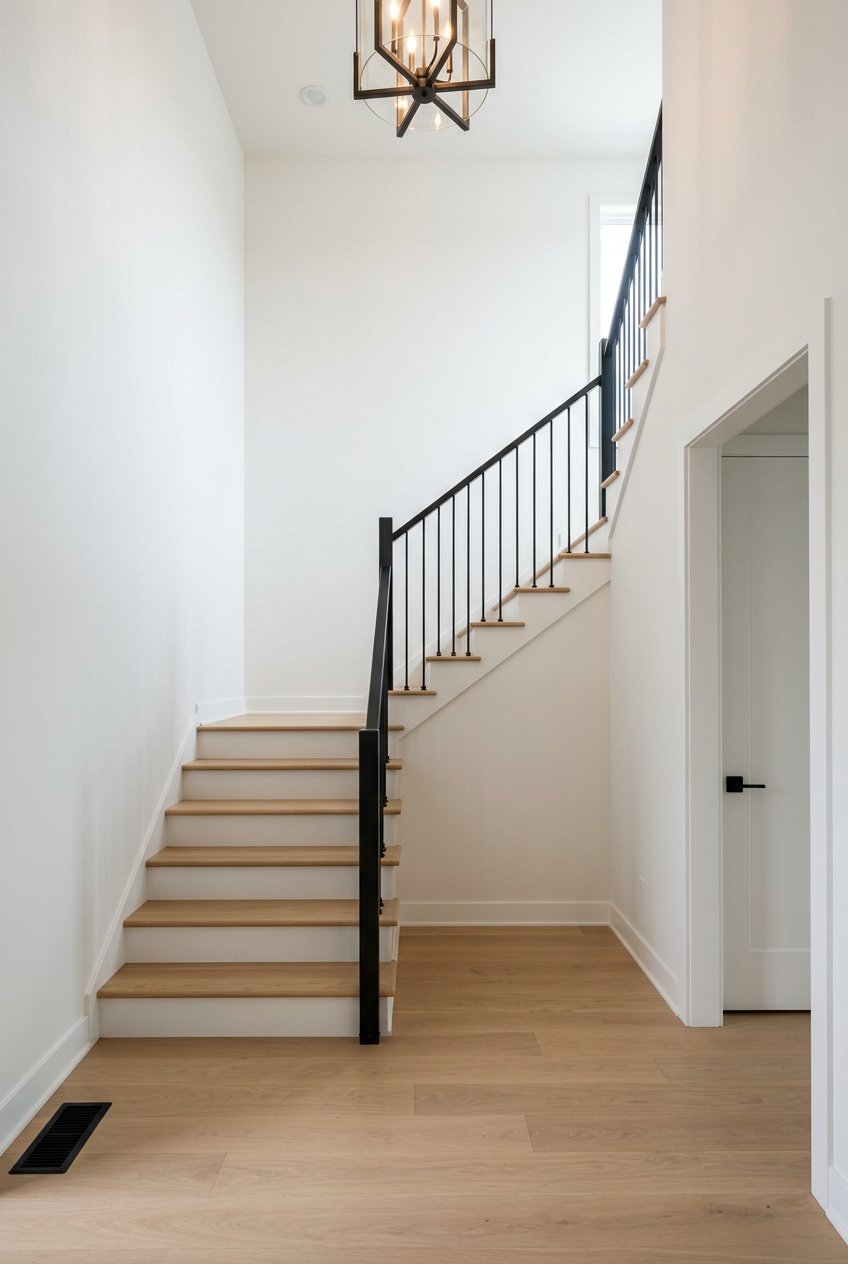
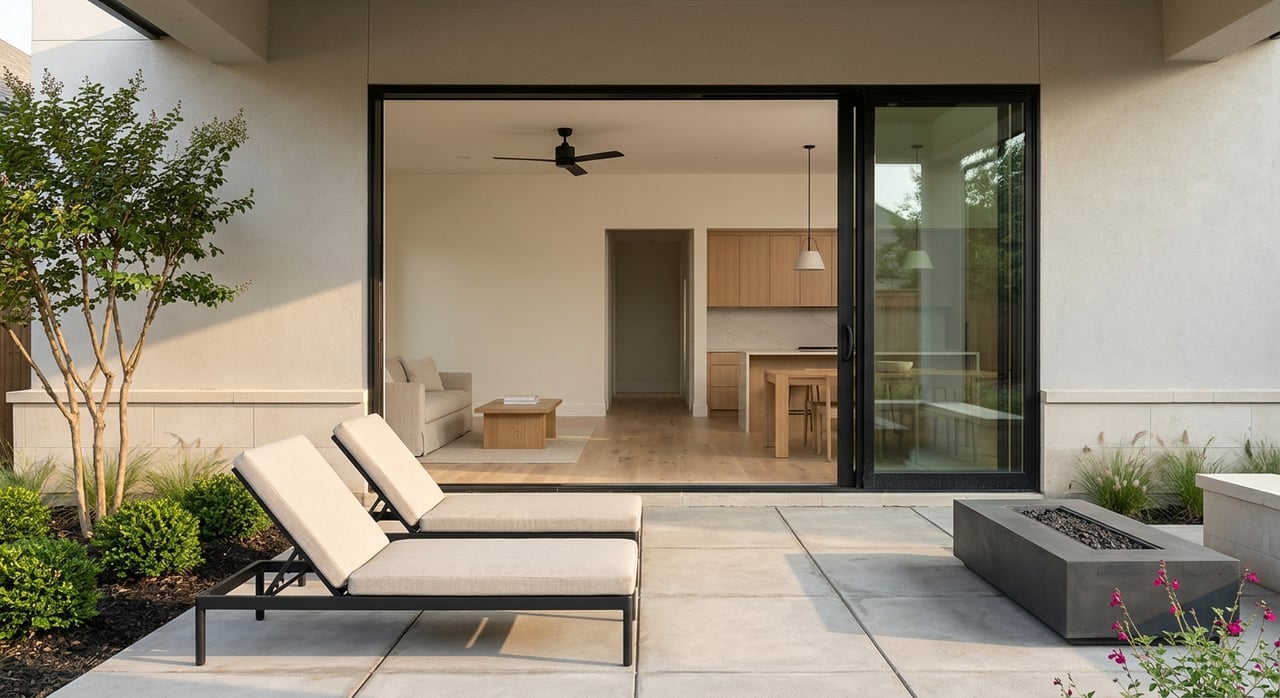
Master‑planned neighborhoods are designed for convenience. Expect multiple pools, clubhouses, trails, playgrounds, parks, and organized community events. Homes often feature open‑concept living, large kitchens, generous closets, and bigger garages that fit modern lifestyles.
Warranties and efficiency
New homes typically include staged warranty protection. The common shorthand is “1‑2‑10,” which often means one year for workmanship, two years for distribution systems, and ten years for major structural defects through a third‑party program. Always ask for the full warranty, claim process, and any required registrations in writing. For a deeper overview, see this guide to builder and structural warranties.
Energy features are another advantage. New construction follows current codes and may include higher efficiency HVAC, tighter building envelopes, improved insulation, and sometimes ENERGY STAR certification. Ask for documentation, including any HERS or ENERGY STAR reports. The EPA outlines how these features can reduce utility use in its ENERGY STAR materials.
HOAs, taxes, and schools
Most newer communities include HOAs that fund amenities and maintain common areas. Review dues and rules closely since they shape monthly costs and your options for exterior changes. Some neighborhoods are also located in special districts such as MUDs or PIDs that add taxes or fees. You can see how a community explains these items in the Tucker Hill HOA and PID FAQs.
Property taxes in Collin County are a combination of city, county, school district, and sometimes special district rates. Since McKinney spans multiple school districts and taxing units, always check the exact address for the current breakdown on the Collin Central Appraisal District.
Side‑by‑side tradeoffs
Maintenance and operating cost
- Historic: More frequent or specialized repairs and potentially higher insurance. Plan a larger maintenance budget.
- New: Lower near‑term maintenance with builder warranties, but ongoing HOA dues and possible special district taxes.
Layout and livability
- Historic: Compartmentalized rooms, original details, and smaller storage. Great if you value character and proximity to the square.
- New: Open plans, larger closets and garages, flexible rooms for offices or guests.
Community and walkability
- Historic: Walkable to shops, restaurants, museums, and events in the downtown core. See highlights on Historic Downtown.
- New: On‑site recreation, trails, and neighborhood programming. Daily needs may be within the master plan, with more driving to regional retail.
Rules and resale
- Historic: Local design review can protect character and help long‑term appeal, but may limit exterior changes. The National Trust offers how‑to research tips.
- New: Standardized finishes can make comps easier to evaluate. HOA covenants guide exterior changes.
Taxes and fees
- Historic: Standard taxing units for the parcel. Always verify the breakdown.
- New: HOA dues and possible MUD or PID obligations on top of base taxes. Confirm on the Collin Central Appraisal District and with the HOA.
Checklist before you decide
Historic home due diligence
- Schedule a thorough inspection that covers electrical, plumbing, foundation, roofing, and possible hazardous materials, and request contractor estimates for any flagged items. Review preservation guidance on planning maintenance.
- Call the city to confirm whether the property sits in a local historic district, what exterior changes require review, and typical timelines. Start with the Cultural District information.
- Get insurance quotes early. Some carriers price older homes differently or require updates. For context, see insurance tips for historic owners.
New‑build due diligence
- Ask for the full written warranty, including coverage periods, what is handled by the builder vs a third‑party, and how to file claims. Learn warranty basics here: 1‑2‑10 overview.
- Request the HOA covenants, recent meeting minutes, reserve information, and the current dues schedule. Ask about any planned assessments or amenity expansions. You can see how an HOA explains dues and districts in the Tucker Hill FAQs.
- Confirm school assignments for the exact lot and ask the district about any planned boundary changes.
For any McKinney home
- Pull hyper‑local comparables on the same street or nearby blocks to understand micro‑market pricing.
- Verify the full list of taxing units and estimated effective rate for the address on the Collin Central Appraisal District.
- Confirm utility providers, commute patterns, and any planned infrastructure that could affect livability or taxes.
Which McKinney is right for you?
If you want walkable charm, a front porch for parade days, and one‑of‑a‑kind architecture, a historic district home may feel like the right fit. If you prefer modern layouts, lower near‑term maintenance, and resort‑style amenities, a new‑build in a master‑planned community can deliver daily ease. Many buyers love both. Your best choice comes from seeing how you actually live in each setting, then matching that with costs, rules, and long‑term plans.
Ready to compare neighborhoods, tour homes, or map out costs side by side? Connect with Lori Seale for calm, expert guidance and a plan that fits your life.
FAQs
What is it like to live near Historic Downtown McKinney?
- You can walk to restaurants, shops, museums, and events centered on the square, with a strong community vibe. Explore highlights on the city’s page for Historic Downtown McKinney.
Do historic homes in McKinney have renovation restrictions?
- Rules depend on local designation. Some districts require review for exterior changes, while national listings alone do not. Start with the city’s Cultural District info and the National Trust’s how‑to guide.
What warranties come with a new construction home in McKinney?
- Many builders offer staged coverage often described as 1‑2‑10, with workmanship, systems, and structural periods. Always get the full warranty in writing. Learn more in this warranty overview.
How do HOAs, MUDs, or PIDs affect my costs in new communities?
- HOAs add dues for amenities and maintenance, and some neighborhoods include special districts that add taxes or fees. Review community FAQs like Tucker Hill’s and verify taxing units on the Collin Central Appraisal District.
Are new builds more energy efficient than older homes in McKinney?
- New homes usually follow current codes and may include higher efficiency HVAC, better insulation, and sometimes ENERGY STAR features. Ask for HERS or ENERGY STAR documentation, and review the EPA’s ENERGY STAR guidance.