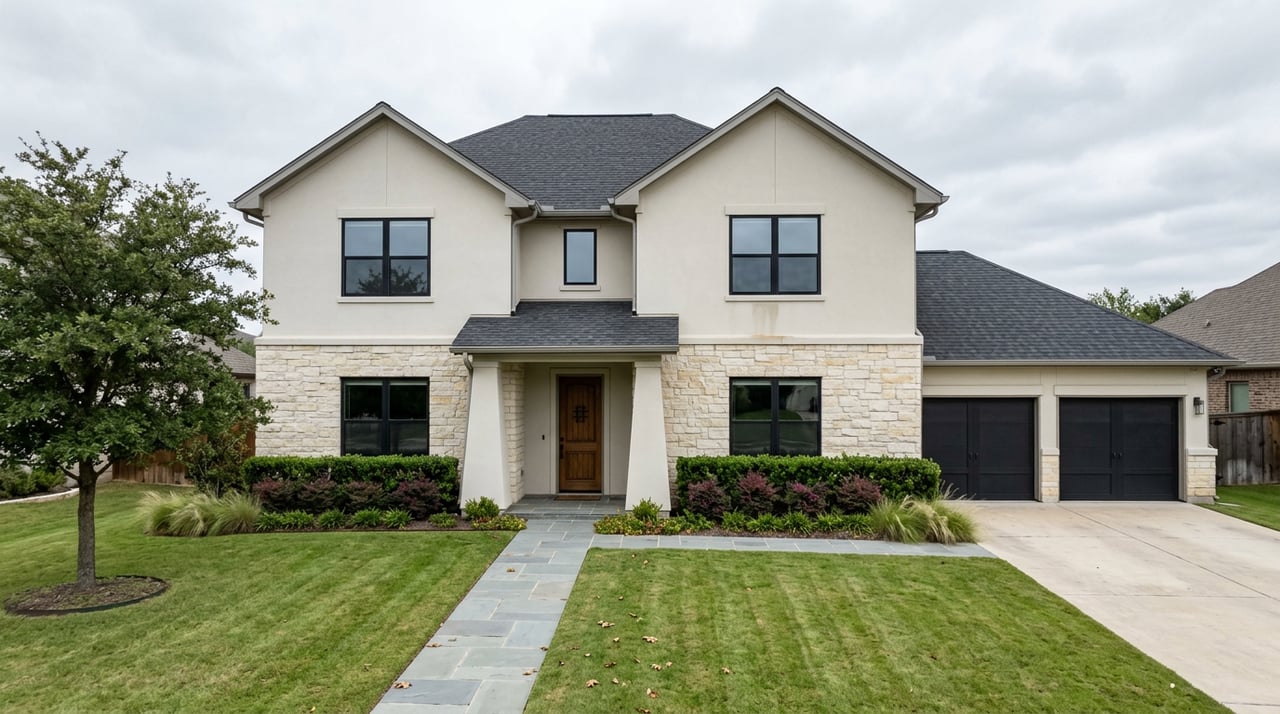

Torn between buying your next Frisco home first or selling your current one? You’re not alone. Timing a move-up within Collin County can feel like a puzzle, especially with school schedules, market shifts, and financing to juggle. In this guide, you’ll learn the pros, cons, and real-world timelines for each path so you can move with confidence. Let’s dive in.
Start with a Frisco market check
Before you choose your path, look at what is happening in your specific neighborhood and price range. Frisco and greater Collin County are a mix of micro-markets. New-construction areas, established neighborhoods, and luxury enclaves can move at different speeds. Ask your agent to pull current NTREIS data for your target area so you can plan with real numbers.
Market conditions shape your strategy:
- Seller’s market with low inventory: Buy-first and contingent offers are harder. Sellers prefer clean, non-contingent offers and quick closes.
- Balanced market: Contingencies and simultaneous closings are more workable.
- Buyer’s market with higher inventory: You have more leverage for contingencies or leasebacks.
Season matters too. Spring and early summer bring more listings, but competition increases. Many families prefer to move over the summer to align with the school year. Typical closings in the Dallas-Fort Worth area run about 30 to 45 days for conventional sales if underwriting and title are straightforward.
Path 1: Sell first
How it works
You list and sell your current home first. After you close and have proceeds in hand, you buy your next home without a home-sale contingency.
Pros
- Your offer is stronger without a sale contingency.
- You avoid carrying two mortgages and reduce underwriting complexity.
- Proceeds from your sale can boost your down payment and negotiating strength.
Cons
- You may need temporary housing unless you negotiate post-closing occupancy.
- Your favorite homes may sell before you are ready to write offers.
Pro tips for Frisco
- Plan staging, photography, and showing schedules up front to maximize early interest.
- Ask for a short leaseback if the buyer agrees so you can avoid a double move.
- Coordinate your closing date with school breaks to reduce stress.
Path 2: Buy first
How it works
You get fully preapproved, purchase your next home without a sale contingency, then list and sell your current home after you move.
Pros
- No temporary housing. Moving logistics are simpler.
- You can secure the right house and location on your timeline.
Risks and lender view
- You must be able to carry two mortgages, insurance, and taxes if your first home takes time to sell.
- Lenders will test your debt-to-income ratio, reserves, and credit strength for two loans.
Pro tips
- Build a budget for several months of dual housing costs, just in case.
- Talk with your lender about rate lock options and how long they can be held.
- Prepare your current home for a quick, clean listing the moment you close on the new one.
Path 3: Make a contingent offer
Mechanics
Your purchase is contingent on selling and closing your current home by a set date. If your home doesn’t sell, you can cancel within the terms of the contingency.
When it fits
Contingent offers can work in a balanced or buyer-leaning market. They are less competitive in hot price points where sellers expect clean offers.
How to strengthen it
- Include proof your home is listed and actively marketed.
- Agree to a clear timeline and minimum acceptable proceeds.
- Be open to a seller’s kick-out clause, which allows the seller to accept a backup offer and gives you a short window to remove your contingency.
Path 4: Close both homes the same day
Mechanics
You coordinate both transactions to fund and close on the same day. Proceeds from your sale flow directly to your purchase.
Pros and cons
- Pro: You avoid temporary housing and bridge financing.
- Con: Delays on one deal can derail the other. This path takes tight coordination among both parties’ lenders, title companies, and agents.
Coordination tips
- Choose experienced local title and escrow pros who do simultaneous closings often.
- Build a few buffer days into contracts to handle minor delays.
- Keep consistent communication between all four sides: both buyers, both sellers, both lenders, and both title companies.
Leasebacks and short-term options
Post-possession agreements
Also called leasebacks, these allow you to remain in the home for an agreed period after closing as a tenant. This is a common tool in Frisco when a seller needs time to buy or move.
What to include
- Duration and daily or weekly rent amount.
- Security deposit and penalties for holdover.
- Who pays utilities and who handles routine maintenance.
- Insurance requirements and access for repairs or appraisals.
Insurance and responsibility
Buyers should confirm their homeowner’s policy covers post-closing occupancy and require the seller-tenant to carry renter’s liability insurance for the leaseback. Spell out responsibility for damage and condition at move-out to avoid disputes.
Financing tools that enable buy-first
If you want to buy first without a sale contingency, you may need short-term funds for your down payment. Options include:
- Bridge loan: Short-term funding against your current home’s equity. It is fast and flexible, but usually has higher rates and fees.
- HELOC or home equity loan: Often lower cost than a bridge loan and allows flexible draws. Requires sufficient equity and may use variable rates.
- Cash-out refinance: Can unlock equity but changes your current mortgage terms and involves closing costs.
- Carrying two mortgages: Gives you immediate move-in ability but increases monthly obligations and lender scrutiny.
Compare total carrying costs, approval timelines, and how each option affects qualifying for your new loan. Lenders also want a clear exit strategy, such as selling your current home soon after you buy.
Decision framework for Frisco families
Market competitiveness
Are you shopping in a hot Frisco submarket and price tier? If so, plan to sell first or make a non-contingent offer supported by bridge financing or strong reserves. In a more balanced pocket, a contingent offer or leaseback can work.
Financial readiness
Confirm your equity, cash reserves, and debt-to-income with a written preapproval. Discuss “what-if” scenarios with your lender, including carrying two mortgages or using a HELOC or bridge loan.
Family timing and schools
If you are moving within or across Frisco ISD zones, try to align your timeline with the school calendar. Consider staging, childcare during showings, sports schedules, and commute changes.
Risk tolerance and backup plans
- Buy-first plan: What if your home takes longer to sell? Decide your price reduction strategy or whether you could rent it.
- Sell-first plan: What are your temporary housing options? Do you have a leaseback or short-term rental lined up?
Quick checklist
- Get a full preapproval and net proceeds estimate.
- Review current NTREIS stats for your target neighborhood and price tier.
- Decide your acceptable level of contingency risk.
- Budget for moving costs, storage, or overlap rent.
- Map your timeline against school and work schedules.
Realistic timelines you can use
Sell-first typical path
- 2 to 6 weeks: Prep, staging, and photography. List your home.
- 1 to 3 weeks: Showings and marketing, timing varies by price tier.
- 30 to 45 days: Close on your sale. Arrange a leaseback if needed.
- After closing: Start aggressive offers on your next home with proceeds in hand.
Buy-first typical path
- 2 to 8 weeks: Preapproval and home search.
- 30 to 45 days: Close on your purchase. Prep your current home while you close.
- After purchase: List your current home immediately. Consider a leaseback if the buyer needs time.
Simultaneous close path
- 45 to 60 days total: Put both homes under contract and run inspections and underwriting on both deals. Give yourself contract buffers and use seasoned title partners.
Negotiation tactics that work here
- For sell-first: Price strategically and pre-inspect to remove buyer objections and speed up your timeline. Align showings and open houses for early momentum.
- For buy-first: Strengthen your offer with a strong preapproval, meaningful earnest money, and limited non-essential contingencies while keeping inspection rights.
- For contingent offers: Share proof of your listing, marketing plan, and an agreed removal date to build seller confidence.
- For leasebacks: Offer clear terms on rent, deposit, insurance, and penalties for staying beyond the agreed date.
- Appraisal gap coverage: In competitive segments, you can offer to cover an appraisal shortfall up to a cap to keep the deal on track.
- Know your clauses: Understand the differences between a home sale contingency and a financing contingency, and when a kick-out clause may be requested.
Taxes, appraisals, and closing math
Texas has no state income tax. Many sellers of a primary residence may qualify for federal capital gains exclusion, generally up to $250,000 for single filers and $500,000 for married couples filing jointly. Verify current rules in IRS Publication 523 and talk with a CPA for your situation.
Property taxes are typically prorated on the closing statement based on Collin County’s billing calendar. Ask your title company to explain your proration so there are no surprises.
Appraisals can come in short if competition pushes prices up. If that happens, be ready to renegotiate, use appraisal gap coverage within your cap, or provide extra funds. Even in fast markets, keep inspection rights so you can negotiate repairs or credits rather than walking away.
Get local help that fits your move
A smooth Frisco move-up takes planning, clear financing, and tight contract management. You deserve a guide who knows the micro-markets across Frisco, Plano, Prosper, Little Elm, The Colony, and surrounding suburbs, and who can coordinate simultaneous closings, leasebacks, and specialty financing. If you are weighing buy-first versus sell-first, let’s map your best path, timing, and budget together so you move once and move well.
Ready to start? Get your custom plan and a current home value to inform your next step. Connect with Lori Seale to get your home valuation and a move-up strategy that fits your family.
FAQs
What is a kick-out clause in Texas real estate?
- It lets a seller accept a backup offer while you have a sale contingency, and gives you a short window to remove your contingency if the seller triggers the clause.
How long can a leaseback last and what should it include?
- The length is negotiable, and the agreement should cover rent, duration, deposit, utilities, maintenance, insurance, access, and penalties for staying past the agreed date.
How does carrying two mortgages affect qualification?
- Lenders count both payments in your debt-to-income ratio, so you need strong income, credit, and reserves to qualify for a new loan while keeping the old one.
What happens if my contingent offer is kicked out?
- You will have a set number of days to remove your sale contingency; if you cannot, the seller can proceed with the backup offer under the contract terms.
How much equity do I need for a HELOC or bridge loan?
- It varies by lender, but you generally need sufficient equity to secure the loan and still qualify for your new mortgage under their debt-to-income guidelines.
How do I reduce risk in a simultaneous close?
- Use experienced title and lending teams, align both contracts with buffer days, and keep constant communication among all parties to handle delays.
How should I plan a move around Frisco ISD calendars?
- Target a summer closing if possible, factor in staging and showing time, and align contract timelines with school breaks to limit disruption for your family.