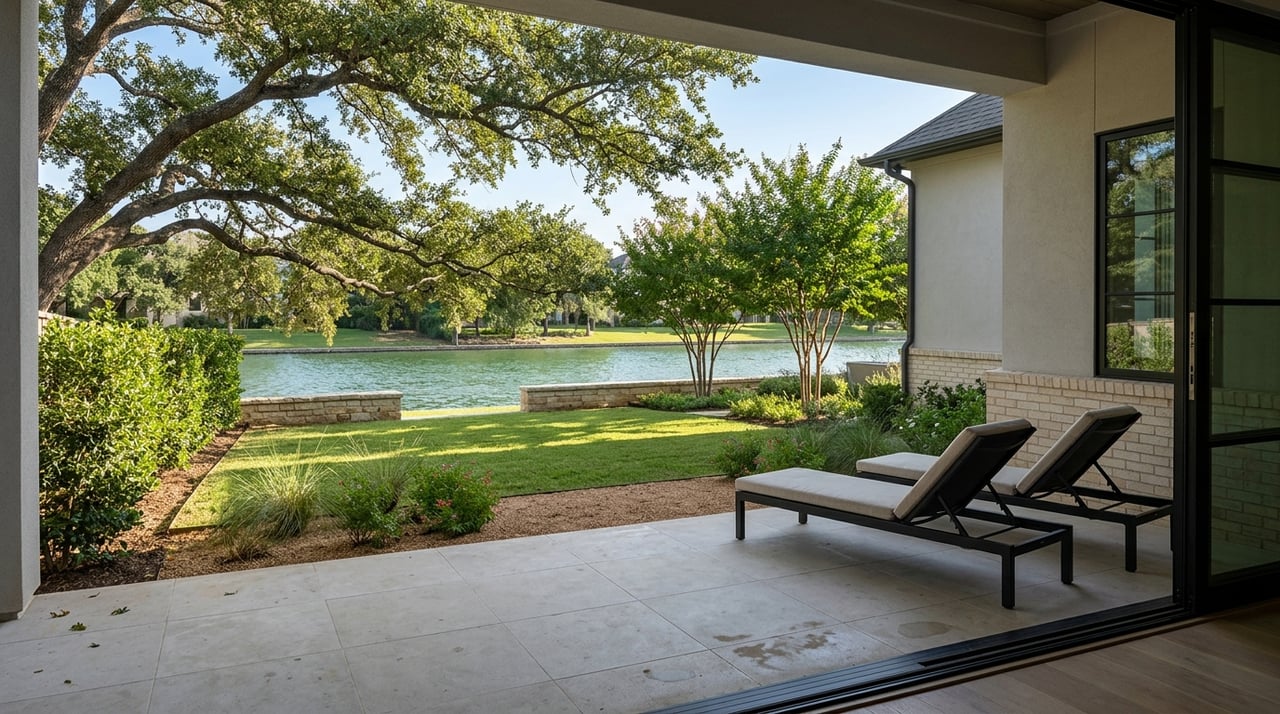
If you are drawn to Little Elm, chances are the lake is part of the appeal. But when it comes time to buy, one big question can shape your search: do you want the lake woven into your everyday routine, or do you want it nearby as a weekend perk? In this guide, you will see how waterfront and inland homes in Little Elm compare so you can choose the lifestyle that fits you best. Let’s dive in.
Why Little Elm Feels Different
Little Elm stands out because Lake Lewisville is not just a backdrop. According to the town, more than 66 miles of its incorporated limits touch the lake, and Lake Lewisville remains central to how the community lives, gathers, and plays.
That lake connection shows up in daily life. You have access to places like Little Elm Park, Cottonwood Park, the Lakefront Trail, and The Lawn at The Lakefront, all of which help make Little Elm feel more lake-oriented than a typical North Texas suburb.
Waterfront Homes in Little Elm
What waterfront living often feels like
If you choose a waterfront home in Little Elm, you are often choosing a lifestyle built around views, recreation, and outdoor time. The town’s comprehensive plan even treats lakefront residential development as a distinct opportunity and recommends high-quality residential use along remaining lakefront areas.
In practical terms, that can mean a home that feels designed for both everyday enjoyment and entertaining. Waterfront properties highlighted in current listing examples feature things like direct lake access, larger lots, sunset views, flexible bonus spaces, and outdoor features that make the setting part of the home experience.
Features buyers often look for
Based on current listing examples in Little Elm, waterfront buyers are often drawn to features such as:
- Lake views
- Direct or easier lake access
- Larger lots
- Outdoor living areas
- Flexible spaces for an office, game room, or guests
- Proximity to boating, kayaking, paddleboarding, and shoreline recreation
For example, a Lloyds Road waterfront property highlights direct lake access and a 0.8-acre lot, while an Oak View Court home emphasizes a lakefront setting and sunset views.
Who may prefer waterfront homes
A waterfront home may be a strong fit if you want the lake to shape your routine. You might picture morning walks with water views, easier access to boating or kayaking, or evenings spent outdoors with friends and family.
This option can also appeal if you value the feeling of living somewhere distinctive. In Little Elm, waterfront ownership is often about more than square footage. It is about how the setting changes the way you use your home.
Inland Homes in Little Elm
What inland living often feels like
Inland homes in Little Elm usually offer a more traditional suburban rhythm. The lake is still nearby, but it may feel more like a destination than the center of your everyday schedule.
Current inland listing examples point to the features many buyers expect in a suburban home search: fenced backyards, attached garages, neighborhood pools, parks, trails, and convenient access to daily errands. That can make inland neighborhoods a practical choice if you want a more familiar layout for everyday life.
Features buyers often look for
Based on current listing examples, inland homes in Little Elm often highlight:
- Fenced yards
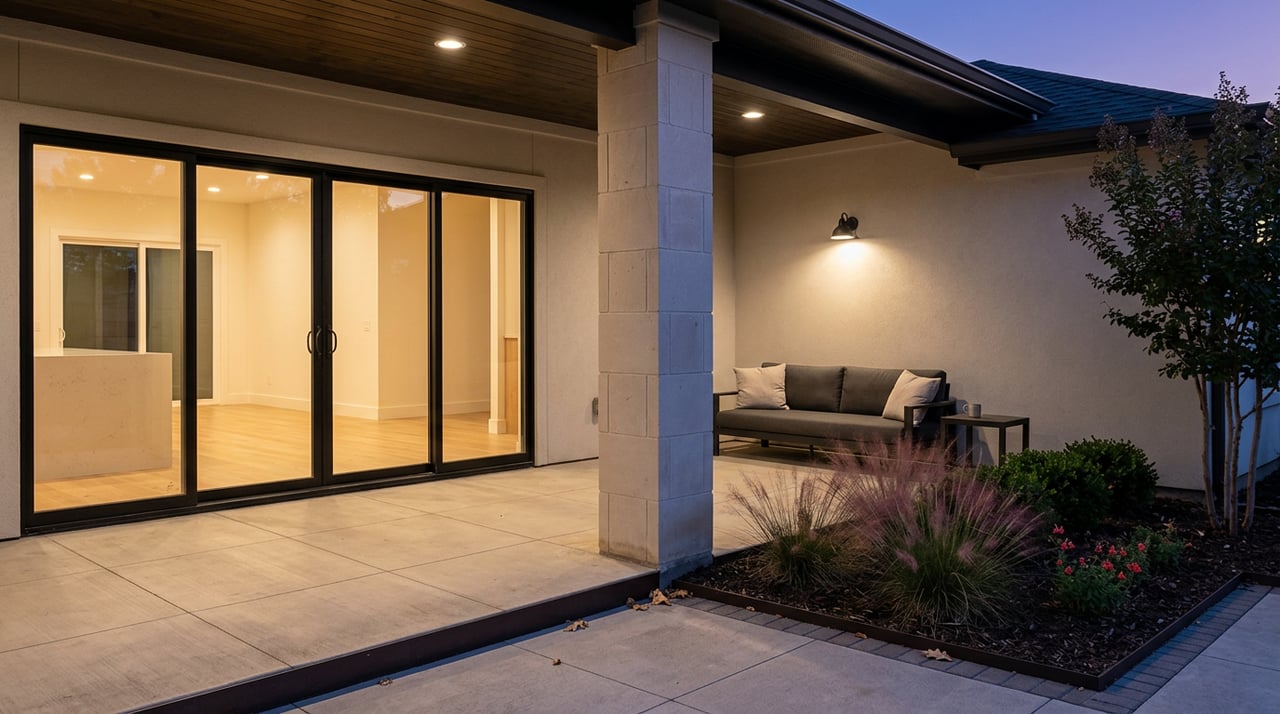
- Covered patios
- Greenbelt adjacency
- Community pools
- Playgrounds and parks
- Walking trails
- Convenient access to shopping and dining
A Wynfield Farms listing features a large fenced backyard and neighborhood pool access, while a Clairborne Court home notes trails, a playground, and nearby shopping and dining.
Who may prefer inland homes
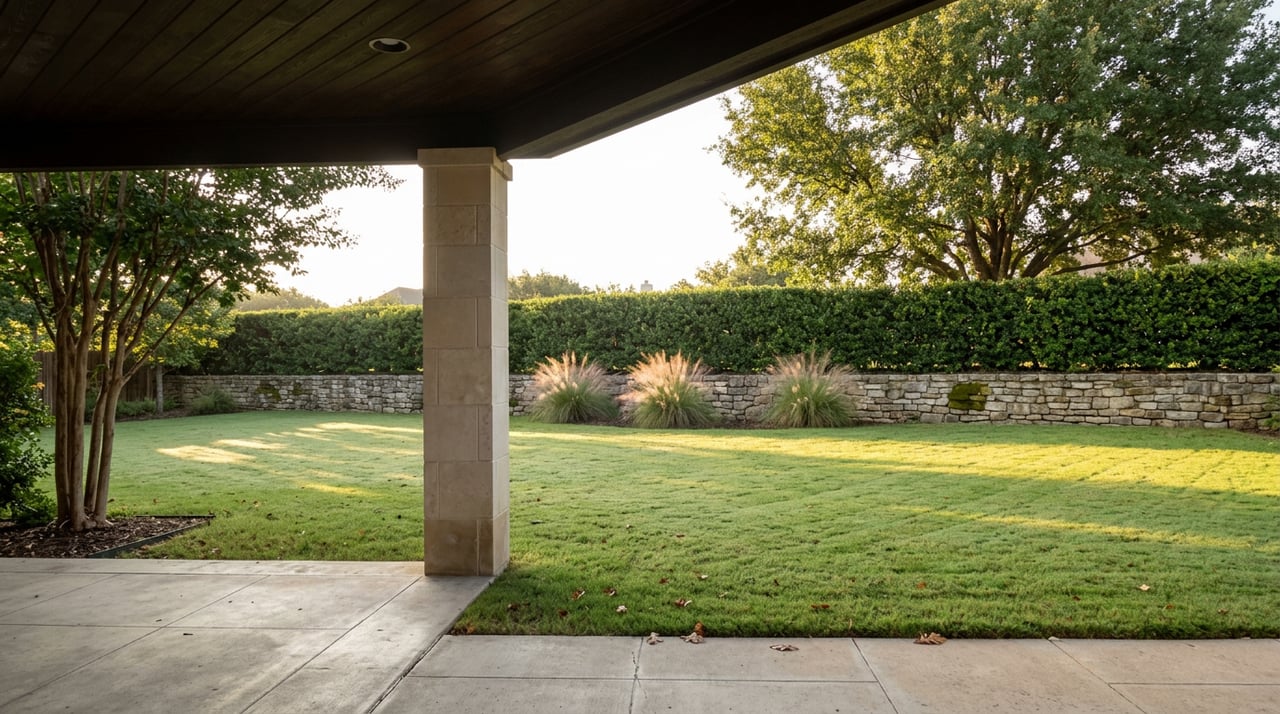
An inland home may be the better fit if you want the benefits of living in Little Elm without making the lake your main focus every day. You may care more about yard space, neighborhood amenities, or staying close to the places you visit most often during the week.
For many buyers, that balance works well. You still get access to Little Elm’s lakefront amenities, but your home life may feel more centered on neighborhood routines and household convenience.
Waterfront vs. Inland at a Glance
| Lifestyle Factor | Waterfront Homes | Inland Homes |
|---|---|---|
| Daily feel | Lake-forward and recreation-focused | More traditional suburban routine |
| Main appeal | Views, access, outdoor entertaining | Yard space, neighborhood amenities, convenience |
| Typical amenities nearby | Lake access, trails, shoreline recreation | Pools, parks, playgrounds, greenbelts |
| Best for | Buyers who will use the lake often | Buyers who want the lake nearby, not central |
| Home experience | Setting is a major part of the value | Home and neighborhood function may take priority |
Lake Access Still Matters
Even if you buy inland, Little Elm still gives you meaningful access to the lake. Little Elm Park includes a public swim beach, boat ramp, trails, picnic areas, and athletic fields, while Cottonwood Park and Marina add fishing access, rentals, and shoreline views.
That means the choice is not simply lake access versus no lake access. In many cases, it is about how often you expect to use the lake and whether you want that access just minutes away or built into your immediate surroundings.
If boating is part of your plan, the town notes that residents can purchase an annual boat-ramp pass for $25, while non-residents pay $75 and daily use costs $10. That is a helpful reminder that even convenient access comes with some structure and planning.
HOA Rules and Maintenance
Whether you choose waterfront or inland, HOA questions deserve a close look. Little Elm’s HOA directory explains that dues often support amenities such as pools, amenity centers, common-area landscaping, and maintenance.
The same directory notes that HOA rules may also cover items like exterior paint, lawn care, pets, noise, and exterior structures. So if you are comparing homes, it is wise to look beyond the location alone and ask how much flexibility or oversight you want in your day-to-day ownership experience.
This matters in both settings. Some buyers are happy to trade dues and rules for shared amenities and maintained common areas. Others would rather simplify that part of homeownership as much as possible.
Questions to Ask Before You Decide
How often will you really use the lake?
This is one of the most important questions in Little Elm. If you plan to spend frequent time on the water, on the trail, or at the beach, paying more attention to waterfront options may make sense.
If you expect to visit the lake only now and then, an inland home may give you the balance you want. You can still enjoy Little Elm’s lake identity without making it the center of your property search.
What does your weekly routine look like?
Think about how your weekdays usually flow. If your life revolves around errands, neighborhood amenities, and a more standard suburban rhythm, inland neighborhoods may feel more natural.
If your ideal routine includes water views, outdoor gathering space, and quick access to recreation, waterfront living may better match what you actually value.
What kind of home experience do you want?
Some buyers want their home to feel like a retreat. Others want it to feel efficient, comfortable, and easy to manage.
Neither choice is better across the board. The right choice depends on whether you want your setting to be part of the attraction every single day, or whether you would rather keep the lake as a nearby bonus.
The Best Fit Comes Down to Lifestyle
In Little Elm, the difference between waterfront and inland homes is not just about distance to the water. It is about how you want to live once you move in. Waterfront homes often put recreation, views, and outdoor living front and center, while inland homes often support a more conventional suburban routine with the lake still close by.
If you want help narrowing down which part of Little Elm best fits your goals, Lori Seale can guide you with local insight, patient advice, and a clear plan tailored to your move.
FAQs
What is the main lifestyle difference between waterfront and inland homes in Little Elm?
- Waterfront homes usually make the lake part of your daily environment, while inland homes usually offer a more traditional suburban routine with lake access still nearby.
Are inland homes in Little Elm still close to Lake Lewisville amenities?
- Yes. Inland buyers can still enjoy amenities like Little Elm Park, Cottonwood Park, the Lakefront Trail, and other public lakefront spaces.
Do waterfront homes in Little Elm always mean direct private lake access?
- No. Some properties may highlight direct or easier access, but lake use and access can still depend on the property location and public access points.
Are HOAs common in Little Elm neighborhoods?
- Yes. The town’s HOA directory shows many communities with HOAs, and rules can apply in both lake-oriented and inland neighborhoods.
What should buyers compare besides location when choosing a Little Elm home?
- You should compare how often you will use the lake, what neighborhood amenities matter most, and how comfortable you are with HOA rules and maintenance expectations.