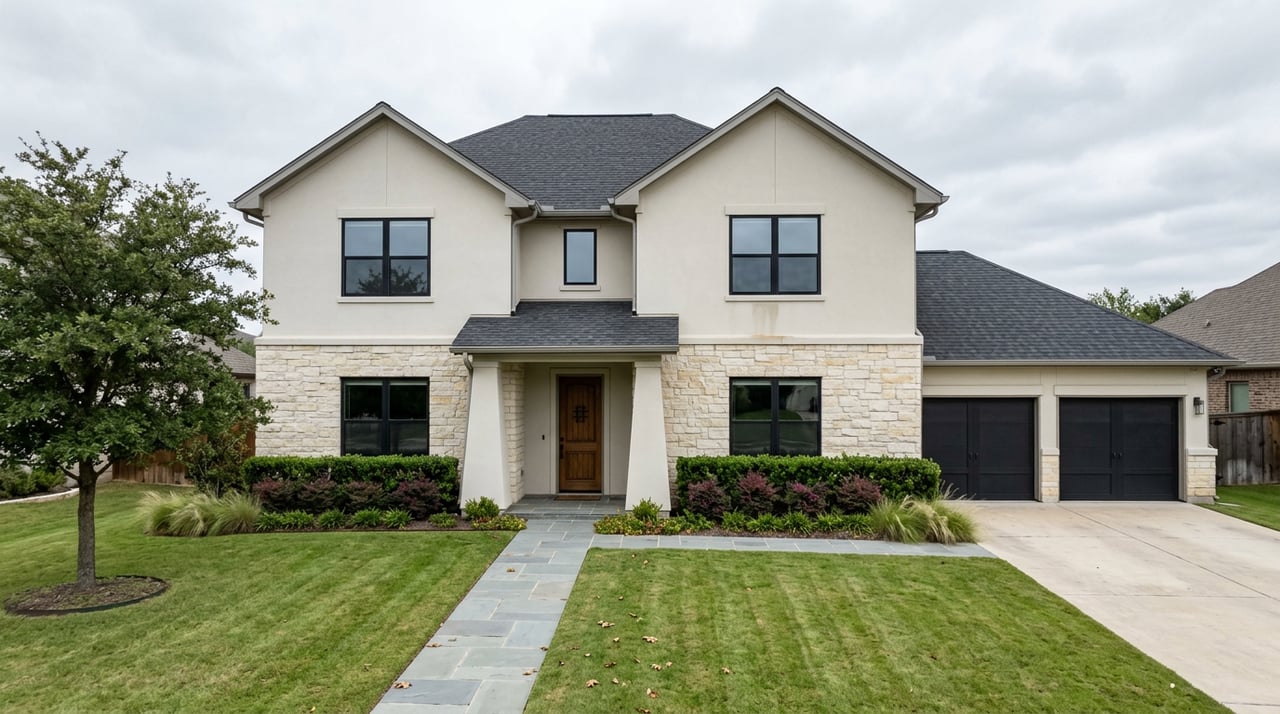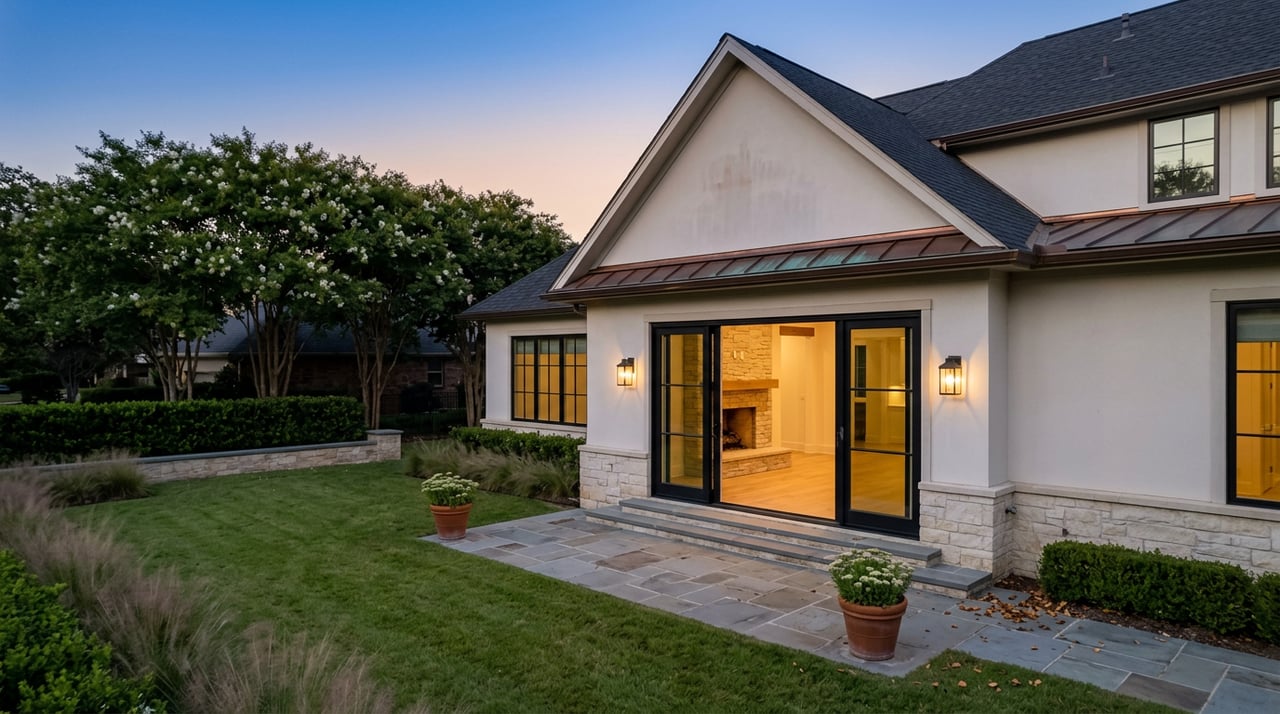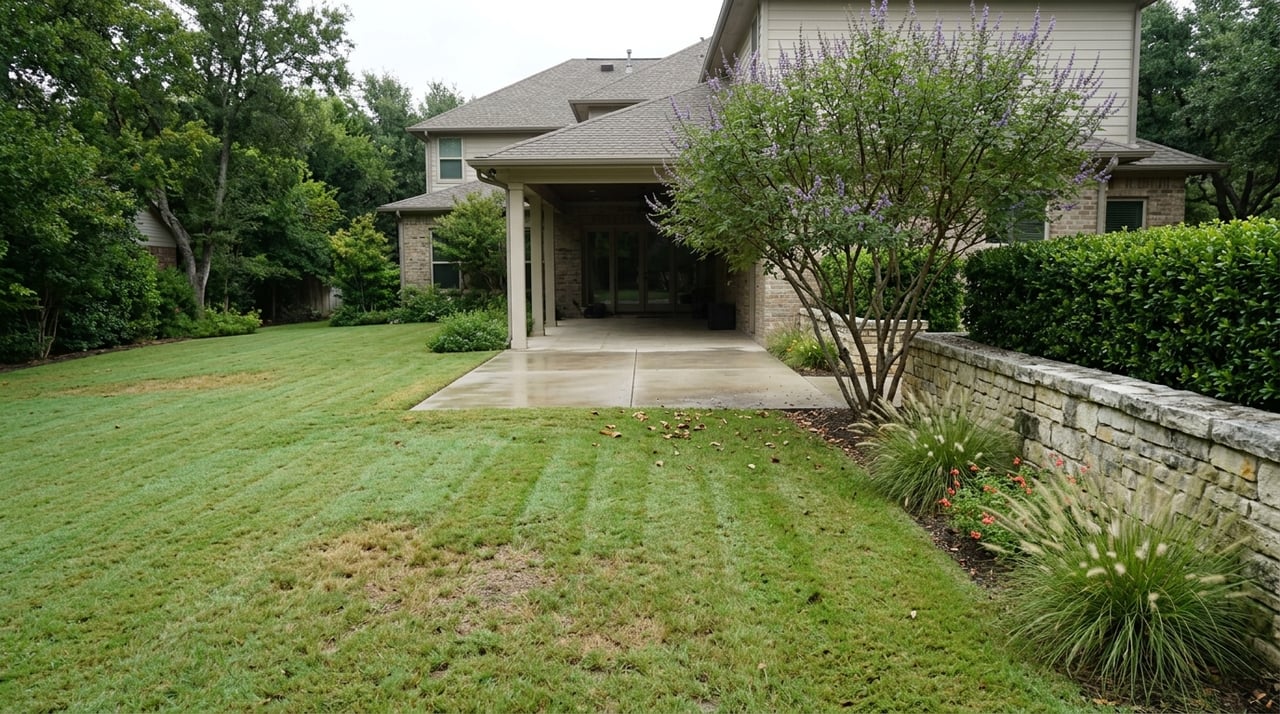
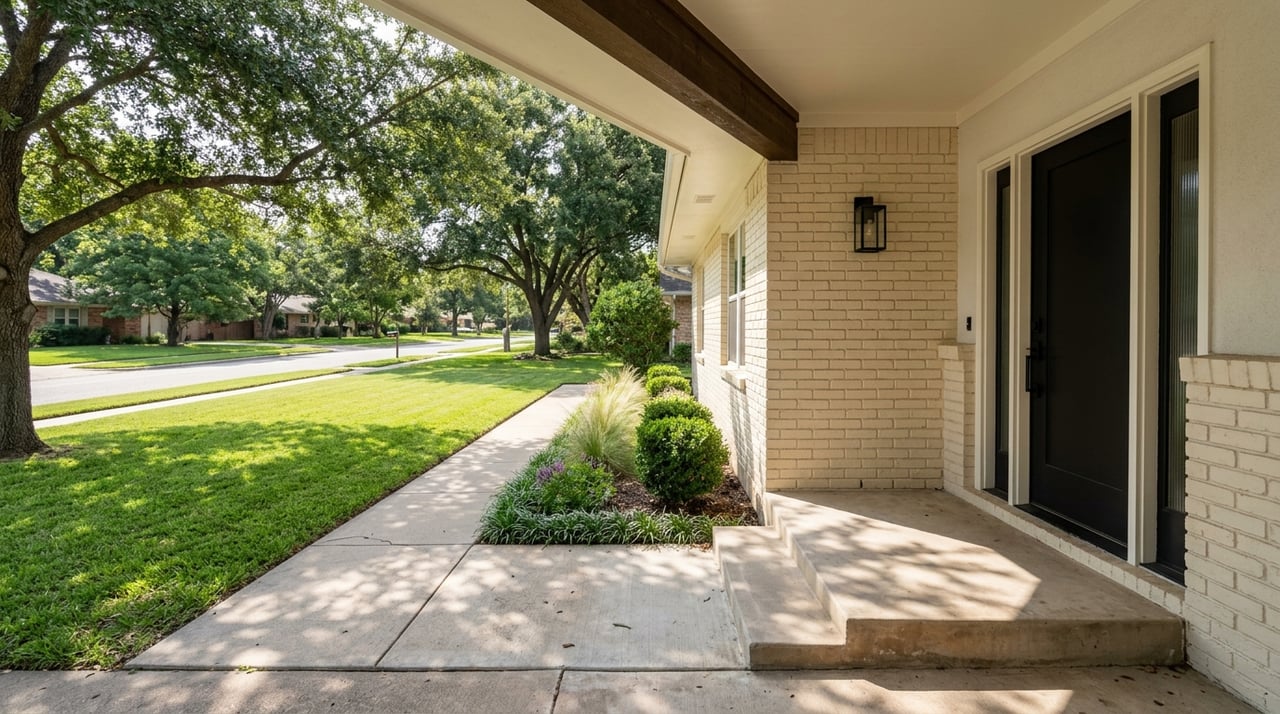
Wondering whether Richardson should be on your shortlist? If you want a place that feels established, connected, and easy to live in, Richardson offers a compelling middle ground in the North Dallas area. You get the structure of a mature suburb, strong job access, and a daily lifestyle that includes parks, trails, arts, and dining. Let’s dive in.
Why Richardson stands out
Richardson is not a blank-slate suburb with endless new land to build on. The city describes itself as a first-tier suburb with limited undeveloped land, and it has identified Enhancement Areas to support reinvestment and redevelopment in selected parts of the city. That gives Richardson a different feel from farther-out suburban markets.
For you, that often means more established neighborhoods, more mature infrastructure, and a city that is actively planning how change happens. Richardson also uses a Neighborhood Development Overlay to help guide compatible updates in established residential areas. If you like the idea of a suburb with history and structure, that matters.
Richardson fits buyers who want balance
Some cities lean heavily toward either residential quiet or nonstop urban activity. Richardson tends to land in the middle. It offers a traditional suburban base while still giving you access to major employers, regional transportation, dining districts, and outdoor space.
That balance is one of the biggest reasons buyers consider Richardson. You are not choosing between convenience and livability as sharply as you might in other areas. Instead, you get an established community that still feels active and connected.
Established neighborhoods with real identity
Richardson feels organized and mature rather than uniform. According to the city, more than 95% of the community is represented by homeowners associations, and neighborhood resources focus on code enforcement, reinvestment, and community connection. That helps create a network of distinct residential pockets instead of one repetitive subdivision pattern.
If you are comparing Richardson to newer suburban areas, this is an important difference. You may find more variety in neighborhood character, home styles, and redevelopment patterns. It can be a good fit if you want a community that already feels lived-in and established.
What that means for your home search
When a city is largely built out, your search often becomes more about fit than raw availability. You may be weighing lot size, updates, location near transit, or access to parks and dining rather than choosing from large waves of brand-new inventory. That can be a plus if you want a home in a place with a more settled rhythm.
It also means local guidance matters. In a market with both established neighborhoods and redevelopment activity, understanding block-by-block differences can help you choose a home that matches how you want to live day to day.
A strong employment base nearby
Richardson is not only a place where people live. It is also a major employment center. The city says its economy extends beyond telecom into insurance, healthcare, technology, and finance, with major employers including State Farm, Raytheon, RealPage, and BlueCross BlueShield of Texas.
That matters if commute time, job access, or relocation convenience are part of your move. A city with a meaningful employment base can support a more practical routine. It can also make Richardson attractive if you want to stay close to work without giving up a suburban setting.
Good fit for relocation buyers
If you are moving from out of state or from another part of DFW, Richardson can be easier to understand than a far-flung suburb with ongoing expansion in every direction. Its identity is already fairly well defined. You can quickly get a sense of where the employment hubs, rail stations, parks, and lifestyle districts are located.
That clarity can reduce some of the stress that comes with a relocation move. Instead of trying to predict what an area might become, you are often evaluating a city that already has a strong daily pattern in place.
Commute options are a major plus
Mobility is one of Richardson’s strongest selling points. The city identifies US 75, LBJ Freeway, and the Bush Turnpike as the main roadway framework, which gives you several practical ways to move around the region. For many buyers, that alone puts Richardson in the conversation.
Transit is also a meaningful part of the picture. Richardson is served by DART Red and Orange lines, and the Silver Line began passenger service on October 25, 2025. The city now has two Silver Line stations: CityLine/Bush and UT Dallas.
Why CityLine/Bush gets attention
CityLine/Bush stands out because it connects several daily-life priorities in one area. The station fact sheet notes rail and bus connections, more than 1,100 parking spaces, nearby employers, housing, parks, restaurants, retail, future transit-oriented development, and the Cotton Belt Regional Trail. That is a rare mix for suburban buyers who still want regional access.
If you like the idea of suburban housing with a less car-dependent routine, this area may deserve a closer look. It supports a more connected lifestyle without requiring a downtown address.
Parks and trails support daily living
Richardson offers more than 900 acres of parks and trails, and the city says its trail system is designed to connect parks across the community. That is a meaningful advantage if outdoor access is part of your weekly routine. You do not have to treat green space as a special occasion.
This kind of park network can shape how a city feels. It gives you more options for walks, bike rides, casual recreation, and time outside close to home. For many buyers, that adds everyday value beyond the house itself.
Notable outdoor spots
Spring Creek Nature Area is one of Richardson’s standout green spaces. It covers more than 100 acres just south of CityLine and includes a perimeter trail and interior hike-and-bike access. If you want a more natural setting within the city, this is one of the places that helps Richardson feel distinct.
Other spaces like CityLine Park and Cottonwood Park add smaller-scale options with trail connections and family-oriented amenities. Together, these parks help support an active but practical lifestyle.
Dining and culture feel stronger than expected
One reason Richardson surprises buyers is that its lifestyle is not limited to residential streets and commute routes. The city points to the Eisemann Center and events like the Wildflower! Festival as signature amenities. Its history resources also highlight the long-running Cottonwood Art Festival as part of Richardson’s identity.
That gives the city a more active cultural routine than many people expect from a suburb. If you want more to do close to home, Richardson has a wider mix than you might assume at first glance.
The CORE District adds energy
The CORE District is a major lifestyle draw. Its official site says the district has more than 70 restaurants and includes Richardson’s only brewery and distillery. The city describes The CORE as the epicenter of community, culture, commerce, and cuisine.
The district includes Chinatown, Downtown, Heights, Interurban, and Lockwood. For you, that means dining and social options are spread across a broader local network rather than centered on one single entertainment strip.
CityLine offers a different pace
Not every part of Richardson feels the same, and that is part of the appeal. Buyers who want a more urban edge often focus on the areas around CityLine. The CityLine/Bush station materials describe nearby single-family and multifamily housing, parks, restaurants, retail, and future transit-oriented development.
This gives Richardson a second layer of lifestyle choice. You can lean toward a more traditional established neighborhood, or you can explore areas with a more mixed-use, transit-connected feel. That flexibility helps broaden who Richardson works for.
Is Richardson the right fit for you?
Richardson may be a strong fit if you want an established suburb with real infrastructure, job access, and a lifestyle that extends beyond your subdivision. It especially appeals to buyers who value commute flexibility, a mature neighborhood network, and a mix of parks, trails, dining, and cultural amenities. If you do not want a mostly undeveloped or exurban environment, Richardson deserves serious consideration.
It may feel less ideal if your priority is a brand-new, master-planned setting with large amounts of new land still being developed. Richardson is a built-out city with ongoing reinvestment, not a blank canvas. For many buyers, that is exactly the point.
If you are trying to decide whether Richardson fits your next chapter, working with someone who understands how different suburban communities live on a day-to-day level can make the process much clearer. When you are ready to talk through neighborhoods, commute priorities, or your next move in North Dallas, connect with Lori Seale.
FAQs
Is Richardson, Texas a good fit for commuters?
- Yes. Richardson has access to US 75, LBJ Freeway, and the Bush Turnpike, and it is also served by DART Red, Orange, and Silver Line service.
Does Richardson, Texas have an established suburban feel?
- Yes. Richardson is a first-tier suburb with limited undeveloped land, established neighborhoods, and city planning focused on reinvestment and compatible redevelopment.
What is the lifestyle like in Richardson, Texas?
- Richardson offers a mix of suburban living, major employment access, more than 900 acres of parks and trails, cultural venues and events, and a strong dining scene in places like The CORE District.
What is special about CityLine in Richardson, Texas?
- CityLine offers a more transit-oriented experience with nearby housing, restaurants, retail, parks, rail access, and trail connections, including the CityLine/Bush station area.
Does Richardson, Texas have parks and trails?
- Yes. The city offers more than 900 acres of parks and trails, including Spring Creek Nature Area, which spans more than 100 acres south of CityLine.
Is Richardson, Texas more urban or suburban?
- Richardson is primarily an established suburb, but some areas, especially around CityLine, offer a more mixed-use and transit-connected environment.